

Why The Mid Layer Matters

Layering is often a misunderstood concept in high visibility workwear.
It is not simply about adding warmth. It is about managing heat, moisture and protection as a complete system, whilst always maintaining conformance to ISO 20471 (the standard for high visibility clothing). In safety-critical environments, that balance matters.
Our high-performing layering system consists of three parts:
Base layer – sits against the skin, helping transfer moisture away from the body
Mid layer – traps warm air and regulates temperature
Outer layer – protects against wind and rain
Each Leo layer plays a technical role in controlling heat and water vapour transfer. Get it right, and the wearer remains warm, dry and visible. Get it wrong, and you risk discomfort, distraction and reduced protection.
Why the Mid Layer Matters
The mid layer is the “engine room” of the system.
Its primary function is insulation, trapping air to retain body heat. Air is a natural insulator, and the more effectively a garment can trap it without adding bulk, the better its warmth-to-weight ratio.
But insulation alone is not enough. Mid layers must also allow sufficient moisture to escape. If perspiration becomes trapped, the result is that cold, clammy feeling that can quickly reduce comfort and wearer concentration.
The goal for mid layers is controlled thermal regulation:
Retain warmth when static
Release excess heat during exertion
Maintain comfort across changing conditions
Different Mid Layers, Different Performance Benefits
Sweatshirts
High visibility sweatshirts are a staple for many wearers. Leo Sweatshirts combine recycled polyester for durability, colour fastness and structural stability, whilst cotton content enhances comfort against the skin. The result is a robust but comfortable, compliant garment that balances practicality and wearability.

Softshell Jackets
Leo Softshell mid layers add technical performance. A windproof membrane reduces heat loss, while breathable construction allows moisture vapour to escape. Stretch fabrics add flexibility, critical in physically demanding roles, where unrestricted movement supports both safety and productivity.


Fleece Jackets
Fleece is very effective at trapping and retaining heat thanks to its brushed structure. Lightweight yet insulating, Leo fleeces deliver excellent warmth-to-weight ratio, making it ideal beneath waterproof shells.
Bodywarmers

Leo bodywarmers provide core insulation while preserving freedom of movement. A water-repellent outer fabric adds light weather resistance, and insulated linings retain heat without excessive bulk.
The latest generation, the Halsinger (BW02) featuring Sorona® Aura insulation, demonstrates how far mid layers have evolved. Ultra-lightweight yet highly insulating, it supports thermal comfort without compromising mobility, with the added benefit of being made from plant-based polymers.
Conformance at Every Stage
One of the most important, and often overlooked, considerations is compliance.
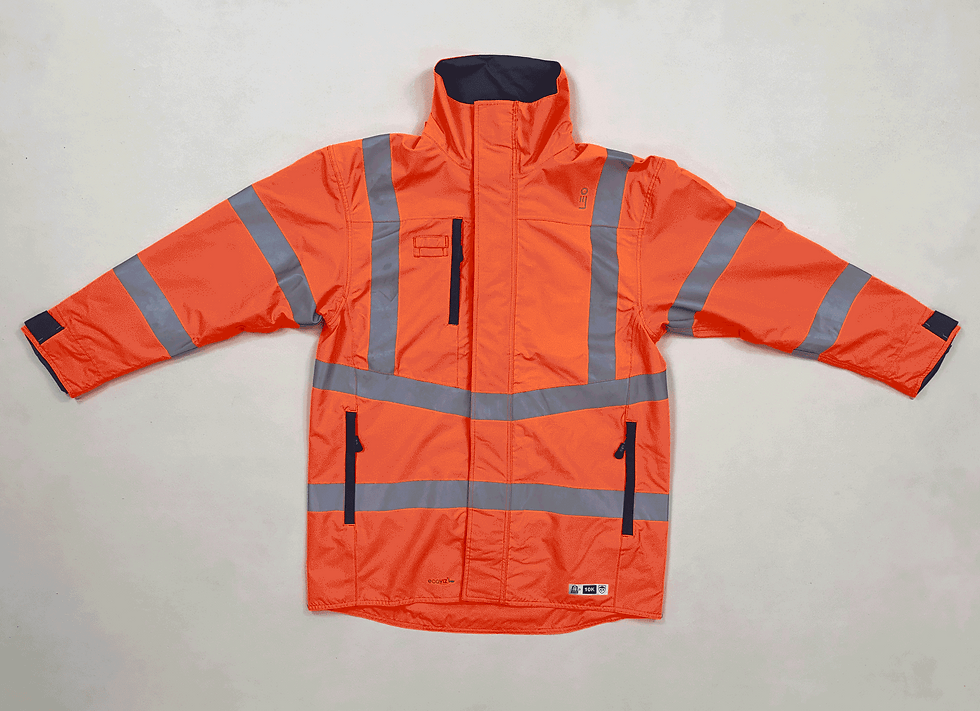
If a waterproof outer shell is removed due to rising activity levels, or a change in weather, the garment underneath must still maintain the required high visibility classification. That means sufficient fluorescent background material, correctly positioned reflective tape, in line with ISO 20471.
In environments where high visibility clothing is required, every visible layer worn must stand independently compliant, which is easily achieved by using Leo products throughout.
Designed as a System
Modern high visibility mid layers are not isolated garments. They are engineered to integrate seamlessly with outer shells, often via zip-in compatibility. This allows wearers to layer up or down without sacrificing breathability, waterproof performance or certification.
Sustainability also plays a growing role. Leo EcoViz® recycled polyester fabrics and responsible insulation technologies from Sorona® mean high visibility warmth no longer comes at an environmental cost.
Designed for the way people work
Workers are also more productive when they have the flexibility to dress for the conditions they are working in. Physical output naturally varies throughout the day from high-exertion tasks that generate heat, to slower or static work, where body temperature drops quickly.
A well-designed layering system like Leo Workwear’s, allows wearers to adapt, adding or removing garments as conditions change while still maintaining conformance. This helps prevent overheating, excessive sweating and the cold, clammy feeling that follows when moisture cannot escape. By staying thermally comfortable, workers can maintain focus, reduce fatigue and sustain consistent performance throughout their shift. In other words, giving workers the right layers is not just about comfort, but about supporting safety, efficiency and productivity on site.

Rethinking the Mid Layer
A well-designed layering system ensures that warmth, breathability and visibility work together rather than against each other. The mid layer is central to achieving this balance, helping regulate body temperature while maintaining the high visibility performance required in hazardous environments.
By selecting compliant, technically designed mid layers, organisations can ensure workers remain protected even as conditions change throughout the working day. When comfort and compliance are considered together, PPE performs as it should — supporting both safety and productivity on site.


Comments